ROMA SHIELD REPORT
On gender disinformation against the Roma community.
THE FIGHT AGAINST DISINFORMATION STARTS WITH YOU
Implementation within the coalition


about the report
The phenomenon of disinformation is being talked about more and more, both in relation to individuals and entire social groups, as well as events.
Disinformation and its products, or fake news, often appear in crisis situations, and the Internet is conducive to their rapid spread. Their effect is often to reinforce negative assessments of events and the people involved. Disinformation is particularly dangerous when it targets the most vulnerable groups, those most at risk of social exclusion, who find it hard to defend themselves from its effects.
The report is intended both for people who are new to Roma culture and for those who already know something about it. We believe that the publication will raise awareness about disinformation, help to recognize Gender and Identity Based Disinformation, and thus also counteract its creation and duplication.
The report is the world’s first attempt to analyze the problem of disinformation about the Roma community, distinguishing between disinformation targeting Roma women and that targeting men.
What’s in the report?
Research Methodology
Roma and Roma women in Poland
To be in the minority - what does it mean?
Examples of disinformation
Conclusions of the study
Recommendations to the media
In the report, we highlight
Appearance of objectivity
Lack of verification of sources
Negative framing
Hate speech
Comment moderation issues
Editorial strategies
analyzed articles, posts in national and regional media and on social networks
recommendations for journalists, editors writing on political, social, or cultural issues
The survey takes a look at the content of selected media publications over the past 5 years and also the public perception of these publications, expressed in comments under newspaper articles or on the fb page of a given media outlet.
REPORT INITIATIVES.
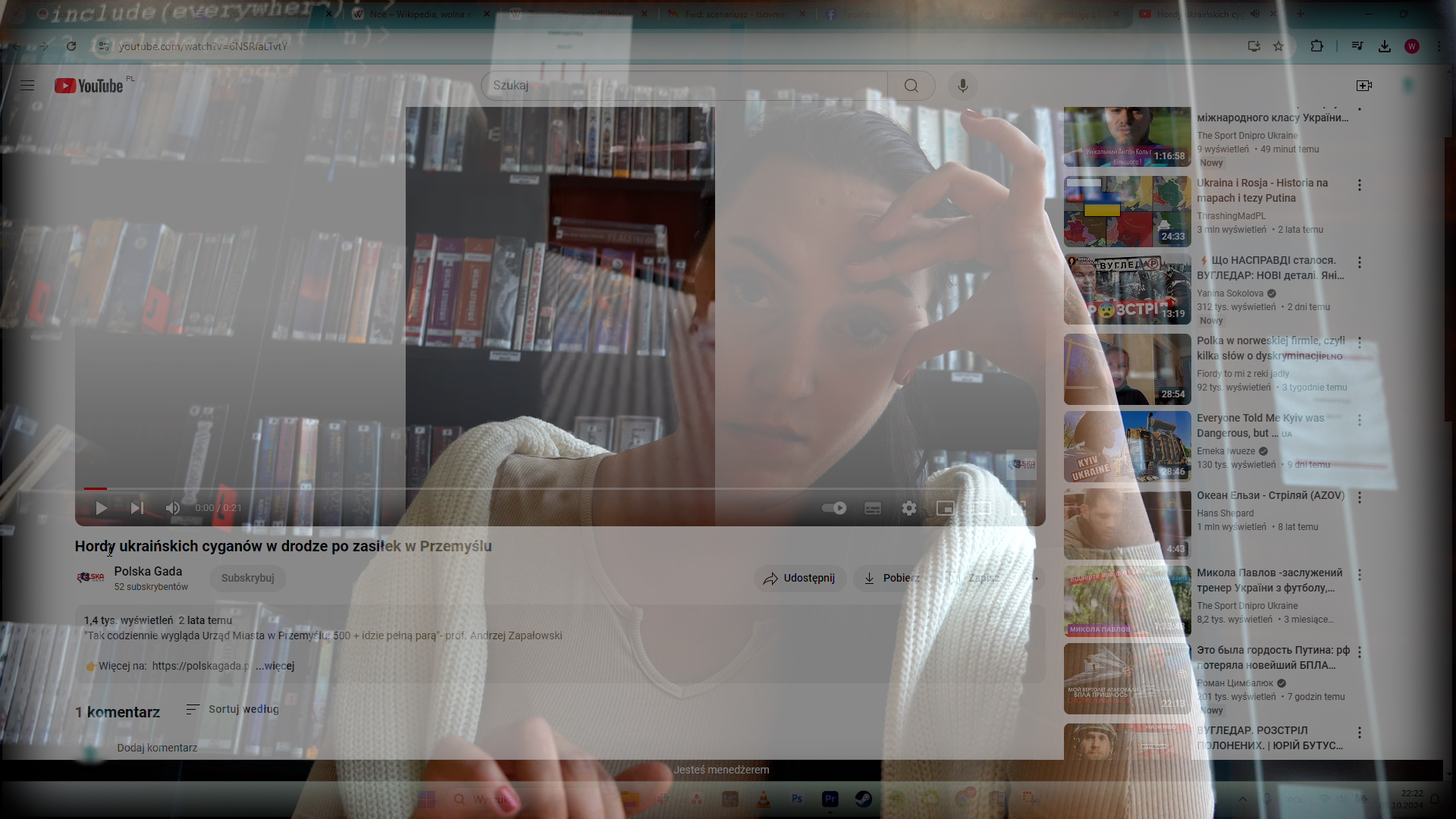
In the course of analyzing the materials for this report, we noticed that in many narratives about people of Roma origin there is a clear discursive division between “us” and “them.” Roma and Roma are often denied Polishness by formulating such headlines in media publications as: “Why Poles don’t like Roma” or ”They got beaten up in the garden of a pizzeria. Conflict between Polish and Roma communities in the background.”
In articles reporting on crimes, conflicts or accidents, it is common to cite ancestry if the negative hero is a person of Roma descent, even though these people have been part of Polish society for generations. The same standards are not maintained if the negative hero is a non-Roma person.
Agnieszka Caban, Agnieszka Pięta

THE FIGHT AGAINST DISINFORMATION STARTS WITH YOU
DO YOU REPRESENT THE MEDIA?
fill out the voluntary declaration to counter disinformation against the Roma community
Media Patronage

Partnerships